Source organic 2 in 1 hair growth oil for dry scalp, dandruff, and hydration
Explore 30 listings for organic 2 in 1 hair growth oil featuring moisturizing and nourishing properties. Buyers can compare specifications like 30ml to 200ml capacities, essential oil types, and OEM services from verified manufacturers.
Key considerations
Products List


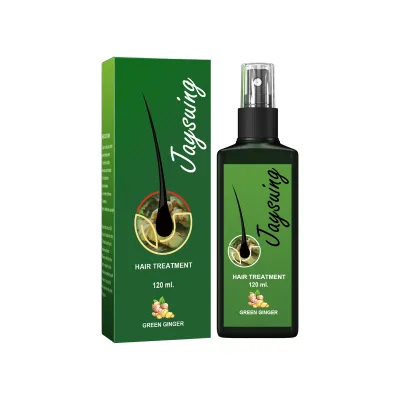
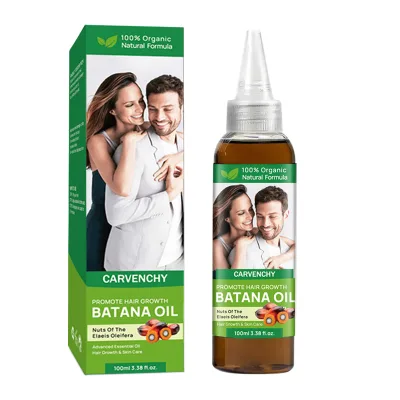

Comprehensive Sourcing Guide
Strategic Sourcing Guide for Organic 2-in-1 Hair Growth Oil
The global demand for hair care solutions that combine growth stimulation with deep nourishment has driven a significant shift toward multi-functional formulations. For procurement professionals seeking an "organic 2-in-1 hair growth oil," the market presents a complex landscape of raw materials, processing methods, and regulatory requirements. This guide synthesizes observed market data and technical specifications to provide a disciplined framework for sourcing these products. The focus remains on verifying claims, understanding supply chain variables, and ensuring that the final product meets both efficacy standards and compliance mandates without relying on unverified marketing assertions.
Technical Specifications and Formulation Architecture
Understanding the technical architecture of a 2-in-1 hair growth oil is the first step in effective sourcing. The term "2-in-1" implies a dual function: typically, the product must simultaneously address scalp health (such as soothing dryness or fighting dandruff) and stimulate hair growth. Based on available product attributes, successful formulations often rely on a blend of specific raw materials. The core ingredients frequently observed include plant-based extracts, vitamins, and collagen. These components are selected for their ability to nourish the follicle and improve hair texture.
The physical state of the product is a critical specification. Data indicates that these oils are often categorized as "Pure Essential Oil" or "Compound Essential Oil," depending on whether they are single-ingredient extracts or blends. The method of extraction is equally vital; sourcing teams must verify whether the product utilizes "Solvent" extraction or "Extraction" methods that preserve the integrity of the active compounds. The grade of the raw material is another non-negotiable specification. While some products are designated as "Perfume Grade," others for internal use or cosmetic application may require "Food Grade" separation, particularly if the sourcing strategy involves ingredients with broader safety profiles.
Volume specifications vary significantly across the supply chain. Observed standard packaging sizes include 15ml, 30ml, 60ml, 100ml, 120ml, 150ml, and 200ml. The product model identifiers often reflect these variations, ranging from specific codes like "AO" or "HGO" to descriptive models such as "Hair Oil" or "Hair Growth Oil 11." Procurement contracts must explicitly define the required volume and packaging type, as the "prod_packing" attribute shows a high degree of customization, ranging from standard cartons to customer-specific designs. The shelf life is a key performance indicator, with observed data suggesting a standard duration of 3 years for these formulations.
Compliance and Certification Verification
In the cosmetics and personal care sector, compliance is not merely a regulatory hurdle but a fundamental component of product value. When sourcing organic hair growth oils, buyers must rigorously verify the certification status of the manufacturer. The market data highlights several critical certifications that serve as proxies for quality and safety. These include GMP (Good Manufacturing Practice), CE (Conformité Européenne), and MSDS (Material Safety Data Sheet). The presence of CE/GMP and MSDS indicates that the facility adheres to specific manufacturing and safety protocols.
Furthermore, advanced sourcing strategies should look for GMPC (Good Manufacturing Practice for Cosmetics) and ISO22716 certifications. These standards are particularly relevant for products claiming to be "Natural Cosmetics." The Sedex certification is also noted in the supply data, which signals adherence to ethical trade practices and supply chain transparency. Buyers should not assume that a product labeled "organic" automatically possesses these certifications; instead, they must request valid documentation for each specific batch or production run.
The "prod_standard" attribute often references volume capacities (e.g., 30ml, 60ml), but compliance standards extend beyond physical dimensions. The "Grade Separation" of the raw material must align with the intended application. For instance, a product intended for cosmetic use on the scalp must meet stricter purity standards than a product intended for industrial or fragrance use. The "Method" of production, whether solvent-based or extraction-based, also impacts the final certification profile, as residual solvents must be within acceptable limits defined by international standards.
Cost Drivers and Pricing Dynamics
The pricing of organic 2-in-1 hair growth oils is influenced by a confluence of factors, including raw material sourcing, processing complexity, and certification overheads. The observed price range in the market spans from $0.50 to $10.99 USD. This wide variance suggests that price is not a direct indicator of quality but rather a reflection of the specific formulation, volume, and customization level. Lower-priced items often correspond to bulk raw materials or standard packaging, while higher-priced items may reflect specialized extraction methods, premium organic ingredients, or complex custom branding.
Volume is a primary cost driver. The "Qty/CTN" (Quantity per Carton) is listed as 48 units in some contexts, which impacts the unit cost when purchasing in bulk. Smaller volumes, such as 10ml or 30ml, typically carry a higher per-unit cost compared to larger 100ml or 200ml containers due to packaging and handling inefficiencies. Additionally, the "Customization" attribute is a significant cost variable. Products that allow for "Be Customize by Customer" packaging or specific formulation adjustments will inherently cost more than off-the-shelf standard models.
The "Supply Type" is another critical economic factor. The market supports both OEM (Original Equipment Manufacturer) and ODM (Original Design Manufacturer) models. OEM services, where the buyer provides the formula and the manufacturer produces it, may involve different cost structures compared to ODM, where the manufacturer provides the formula and branding. The "Service" attribute confirms that OEM or ODM options are available, but the specific cost implications depend on the level of intellectual property and formulation control the buyer retains.
Typical Applications and Functional Claims
The functional scope of these products is broad, targeting various hair and scalp conditions. The primary application is for "All Hair" types, making the product versatile for a wide consumer base. The "Function" attributes observed in the market include soothing dry and itchy scalps, fighting dandruff, and promoting hair growth. These claims are supported by specific ingredient profiles, such as the inclusion of "Orange" as a key ingredient, which may offer aromatic and therapeutic benefits.
The "Benefits" listed in product data emphasize a "Light-Weighted" texture, the ability to "Revitalize Scalp," and a "Non-Greasy" finish. These attributes are crucial for consumer acceptance, as heavy oils can deter users seeking daily scalp treatments. The "Prolash+ Hair Growth Essential Oil" example highlights the specific focus on growth stimulation, positioning the product as a targeted solution rather than a general conditioner. The "Color" of the oil is typically "Transparent," which is a standard expectation for pure essential oils and indicates a lack of artificial dyes.
Target demographics are also well-defined. The "Age Group" is specified as "Adult," and the "Gender" is "Unisex," indicating that the product is designed for a general market rather than a niche segment. This broad applicability makes the product suitable for mass-market distribution, provided the marketing aligns with the observed functional claims. Buyers should ensure that any marketing materials they develop accurately reflect these verified attributes to avoid regulatory issues regarding false advertising.
Supplier Evaluation and Service Models
Evaluating suppliers for organic hair growth oils requires a deep dive into their operational capabilities and service models. The "Supply Type" of OEM/ODM is a standard offering, but the depth of service varies. Buyers should assess whether the supplier offers "OEM Available" services that include full formulation development or if they only provide contract manufacturing for pre-defined formulas. The "Service" attribute confirms that customization is available, but the extent of this customization—whether it includes packaging design, formula modification, or branding—must be clarified during the negotiation phase.
The "prod_origin" is consistently listed as "China," which is a major hub for cosmetic manufacturing. This location offers advantages in terms of supply chain density and cost efficiency but requires careful vetting of logistics and export compliance. The "Sample Lead Time" is observed to be 3-5 days, which is a competitive metric for initial product evaluation. However, buyers must distinguish between sample lead times and full production lead times, as the latter can vary significantly based on order volume and customization requirements.
When evaluating suppliers, the "prod_model" and "prod_standard" consistency is a key indicator of reliability. A supplier that can consistently produce models like "Hair Oil 4" or "Hair Oil 6" with the specified standards (e.g., 100ml, 150ml) demonstrates operational stability. Additionally, the "Certificates" such as GMPC, ISO22716, and Sedex should be verified for validity and scope. A supplier that holds these certifications is better positioned to handle international shipments and meet the regulatory requirements of major markets.
Quality Control and Long-Term Procurement Considerations
Quality control in the production of hair growth oils must be rigorous, given the direct application to the scalp and the potential for allergic reactions. The "Raw Material" grade, specifically "Seeds" and "Plant" sources, must be traceable to ensure the "Organic" claim is valid. Buyers should implement a quality assurance protocol that includes testing for the "Method" of extraction to ensure no harmful residues remain. The "Grade Separation" (e.g., Food Grade vs. Perfume Grade) must be strictly enforced to match the product's intended use.
Long-term procurement strategies should focus on the stability of the supply chain and the consistency of the product. The "Shelf Life" of 3 years provides a window for inventory management, but buyers must ensure that storage conditions are maintained to preserve the "Transparent" color and efficacy of the "Essential Oil." The "Customization" aspect of the product allows for long-term brand differentiation, but it also introduces complexity. Changes in packaging or formulation should be managed through a formal change control process to maintain compliance with certifications like GMP and ISO22716.
The "MOQ" (Minimum Order Quantity) range of 2 to 3000 units offers flexibility for different business scales. Small businesses may start with lower MOQs to test the market, while larger enterprises can leverage higher volumes for cost efficiency. However, the "Qty/CTN" of 48 units suggests that logistics planning should account for full carton quantities to optimize shipping costs. Finally, the "Application" scope, which includes "Hair" and specific scalp functions, should be continuously monitored against market feedback to ensure the product remains relevant and effective over time.
Comparative Analysis of Product Attributes
To facilitate decision-making, the following table summarizes the key attributes observed in the market for organic 2-in-1 hair growth oils. This comparison helps buyers quickly identify products that align with their specific technical and compliance requirements.
| Attribute Category | Observed Values | Sourcing Implication |
|---|---|---|
| Certification | CE, GMP, MSDS, GMPC, ISO22716, Sedex | Essential for EU and global market entry; verify validity. |
| Main Ingredients | Plant, Vitamine, Collagen, Orange, Seeds | Determines efficacy and "Organic" claim validity. |
| Product Type | Pure Essential Oil, Compound Essential Oil | Affects formulation complexity and extraction method. |
| Packaging Standard | 10ml, 30ml, 60ml, 100ml, 120ml, 150ml, 200ml | Impacts unit cost and target market segment. |
| Customization | Available (Packaging, Formula, Branding) | Increases flexibility but may raise MOQ and lead time. |
| Function | Hair Growth, Soothes Dry Scalp, Fight Dandruff | Defines the core value proposition and marketing angle. |
| Origin | China | Major manufacturing hub; requires logistics planning. |
| Lead Time (Sample) | 3-5 Days | Indicates responsiveness for initial product evaluation. |
| Shelf Life | 3 Years | Allows for extended inventory holding and distribution. |
| Supply Type | OEM/ODM | Offers flexibility in brand ownership and formula control. |
By adhering to these guidelines and verifying the specific attributes listed above, procurement professionals can navigate the complex market for organic 2-in-1 hair growth oils with confidence. The focus must remain on evidence-based verification of claims, ensuring that the final product delivers on its promises of growth, nourishment, and scalp health while meeting all regulatory and quality standards.
FAQs
What certifications do organic 2 in 1 hair growth oil suppliers provide?
Suppliers typically provide GMP, CE, and MSDS certifications for their products. Advanced vendors may also hold GMPC, ISO22716, and Sedex certificates to ensure ethical trade and cosmetic safety standards are met for global distribution.
Can I customize the packaging for organic 2 in 1 hair growth oil orders?
Yes, customization is available for packaging and product models. Buyers can request specific carton quantities or custom designs, with standard volumes ranging from 10ml to 200ml depending on the selected product model and supplier capacity.
What is the typical sample lead time for organic 2 in 1 hair growth oil?
The sample lead time is typically 3 to 5 days for evaluation. This allows buyers to verify product quality and specifications before committing to larger production runs under OEM or ODM service agreements.
Which raw materials are used in organic 2 in 1 hair growth oil formulations?
Formulations often utilize plant extracts, vitamins, collagen, and seed-based raw materials. Some products feature specific ingredients like orange and are processed using solvent extraction or general extraction methods to preserve active compounds.
What are the main functions of organic 2 in 1 hair growth oil?
The oil functions to soothe dry, itchy scalps and fight dandruff while promoting hair growth. It is designed to be light-weighted and non-greasy, revitalizing the scalp for all hair types without leaving a heavy residue.
How does the price range vary for organic 2 in 1 hair growth oil?
Prices range from 0.50 to 10.99 USD depending on volume and customization. Lower costs often reflect bulk raw materials or standard packaging, while higher prices indicate specialized extraction methods or premium organic ingredient blends.
What is the shelf life of organic 2 in 1 hair growth oil products?
The standard shelf life is 3 years for these formulations. Buyers should ensure proper storage conditions to maintain the transparent color and efficacy of the essential oil throughout this period.